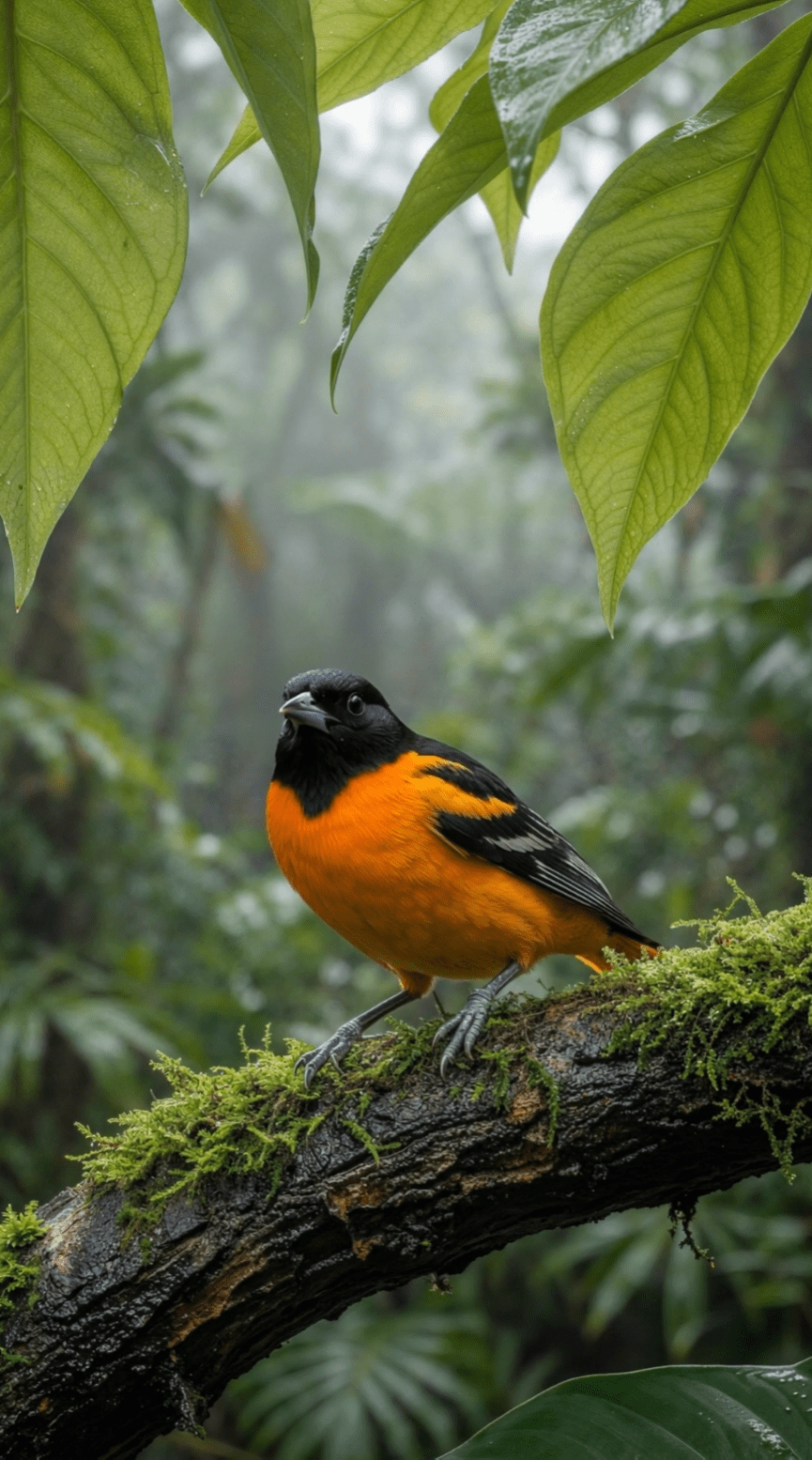
As part of the pre-production for an Orange campaign, I developed an experimental workflow to reconstruct a bird species using generative AI. The proposal explored whether generative tools could deliver the biological fidelity required for high-end advertising. Although the final piece was delivered using traditional 3D – the AI version wasn’t approved due to client uncertainty about the technology – the R&D itself proved internally that the workflow was technically viable. More importantly, this exploration opened a new business avenue for the company and helped build trust in AI-driven pipelines among both the internal team and clients. This case illustrates the transitional moment the industry is currently navigating: the technology is ready, but confidence in it is still being built. Sometimes the most valuable outcome of an R&D process isn’t the delivered piece, but the doors it opens for what comes next.
My process was an exercise in multi-model orchestration:
- Phase 1 (Research & Base): I began with deep reference research of the extinct species, followed by generating the core asset and environment in Adobe Firefly based on specific client references.
- Phase 2 (Refinement): To achieve ‘Highest Standards’ of detail, I processed the base image through a High-Fidelity Pro Model, enhancing textures and anatomical accuracy.
- Phase 3 (Motion & Integration): I transitioned the still into motion using video generation models.
- Phase 4 (Final Craft): To ensure broadcast-ready quality, I manually performed the final compositing and color grading, integrating the bird seamlessly into the cinematic environment.
This project serves as a Proof of Concept for modern production pipelines: proving that AI, when guided by professional art direction and post-production techniques, can solve complex creative challenges that were previously cost-prohibitive or technically impossible.

